Event report
Breakfast Panel Discussion : Local Content and Manufacturing in Kenya
Industry leaders unpacked the realities of local manufacturing, supplier development and industrial policy.
As Kenya advances its industrialisation agenda, the conversation around local content is becoming increasingly urgent, and increasingly complex
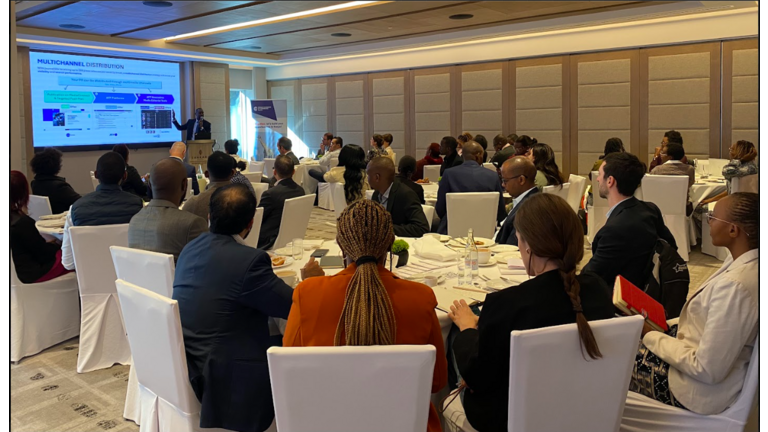
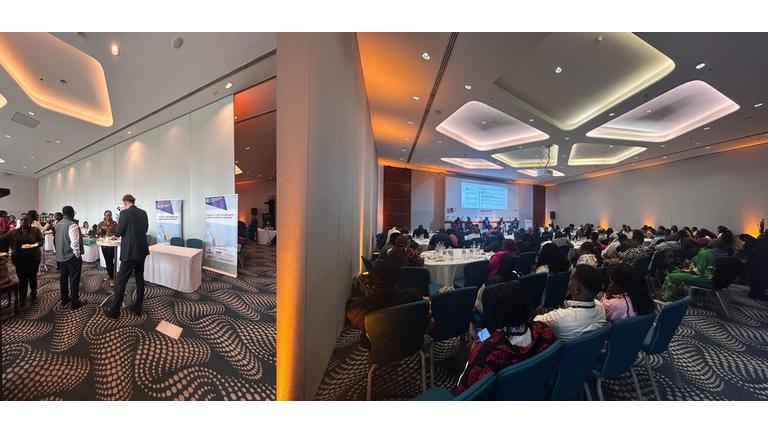
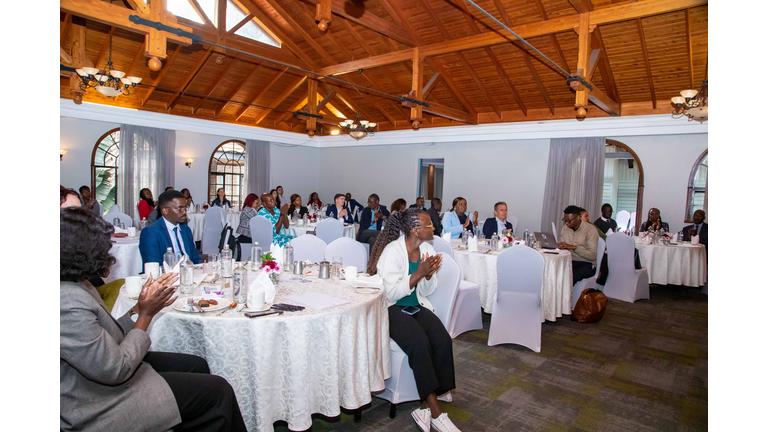
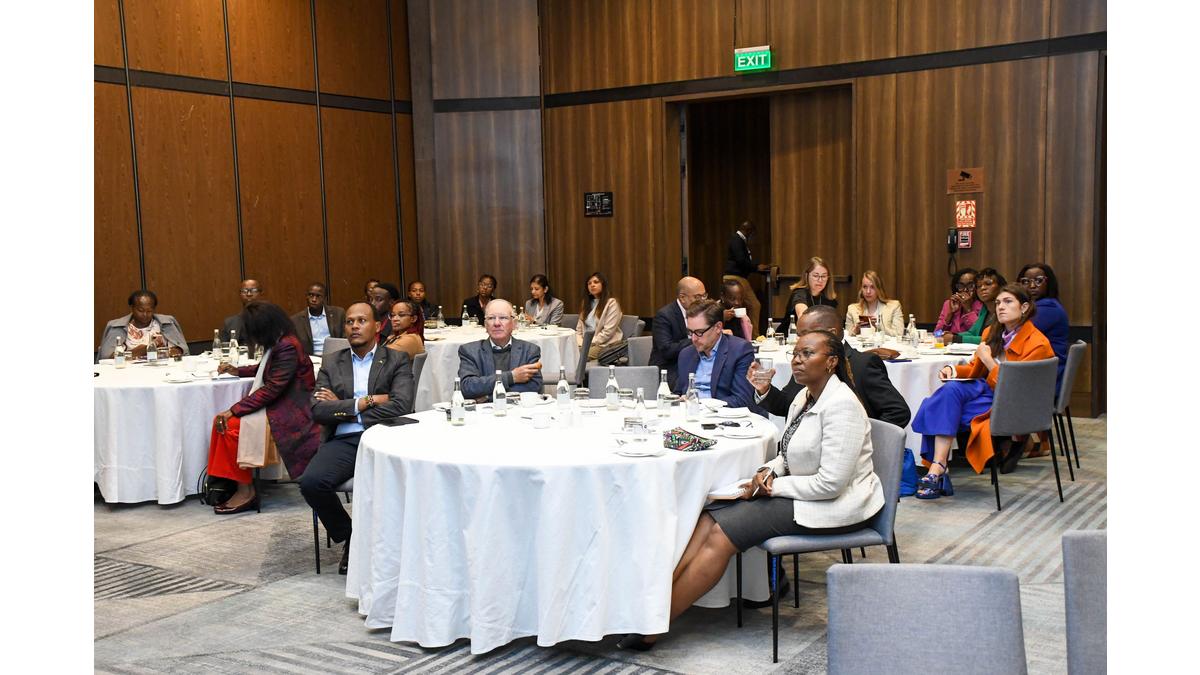
Yesterday, the French Chamber of Commerce in Kenya hosted a Breakfast Panel Discussion on Local Content & Manufacturing in Kenya, at Hyatt Regency Nairobi Westlands, bringing together industry leaders to discuss the opportunities, risks and practical realities surrounding the proposed Local Content Bill currently before Parliament.
Moderated by Domitille Guilloton, the discussion featured:
Paloma Lengema, General Manager, BIC East Africa
Nathan Mutiria, Plant Director, L’Oréal East Africa
Arvinder Reel, Managing Director, CFAO Mobility & Chairman, Kenya Motor Industry Association
Joyce Njogu, Head of Consulting, Business Development & Sustainability at Kenya Association of Manufacturers.
The discussion highlighted the growing tension between industrial ambition and operational reality. While the proposed Bill aims to accelerate local manufacturing and strengthen local value chains, panellists emphasised that implementation must remain pragmatic, phased and sector-specific.
Several key themes emerged throughout the exchange :
- Localisation is becoming a resilience strategy
Against a backdrop of ongoing geopolitical disruptions, supply chain volatility and rising logistics costs, localisation is increasingly viewed not only as an industrial policy objective, but also as a business continuity and risk-management strategy.
- Competitiveness remains critical
Panellists stressed that localisation alone does not guarantee competitiveness. Kenya continues to face relatively high manufacturing costs compared to neighbouring countries, raising important questions around infrastructure, energy costs, productivity and investment attractiveness.
- Supplier development takes time
Building globally compliant local supplier ecosystems requires long-term investment, technical support and strong partnerships between industry and local manufacturers. In several sectors, achieving international quality and safety standards can take years of supplier development and certification.
- Talent exists, but job-readiness remains a challenge
The panel also explored workforce development and the need to bridge the gap between academic training and industry requirements. As sectors evolve through automation, robotics, AI and electric mobility, companies increasingly require practical, adaptable and technology-oriented skills.
- Regional alignment matters
Participants also underlined the importance of ensuring coherence between Kenya’s local content ambitions and broader regional frameworks, including the EAC, COMESA and AfCFTA, particularly around rules of origin, sourcing requirements and market access.
The session ultimately reinforced that strengthening local manufacturing capacity cannot rely on regulation alone. Long-term success will depend on collaboration between the private sector, government, training institutions and regional partners to build competitive, resilient and globally integrated industrial ecosystems.
The French Chamber of Commerce in Kenya thanks all panelists and participants for contributing to such a rich and insightful discussion.